
What Is Knee Osteoarthritis?
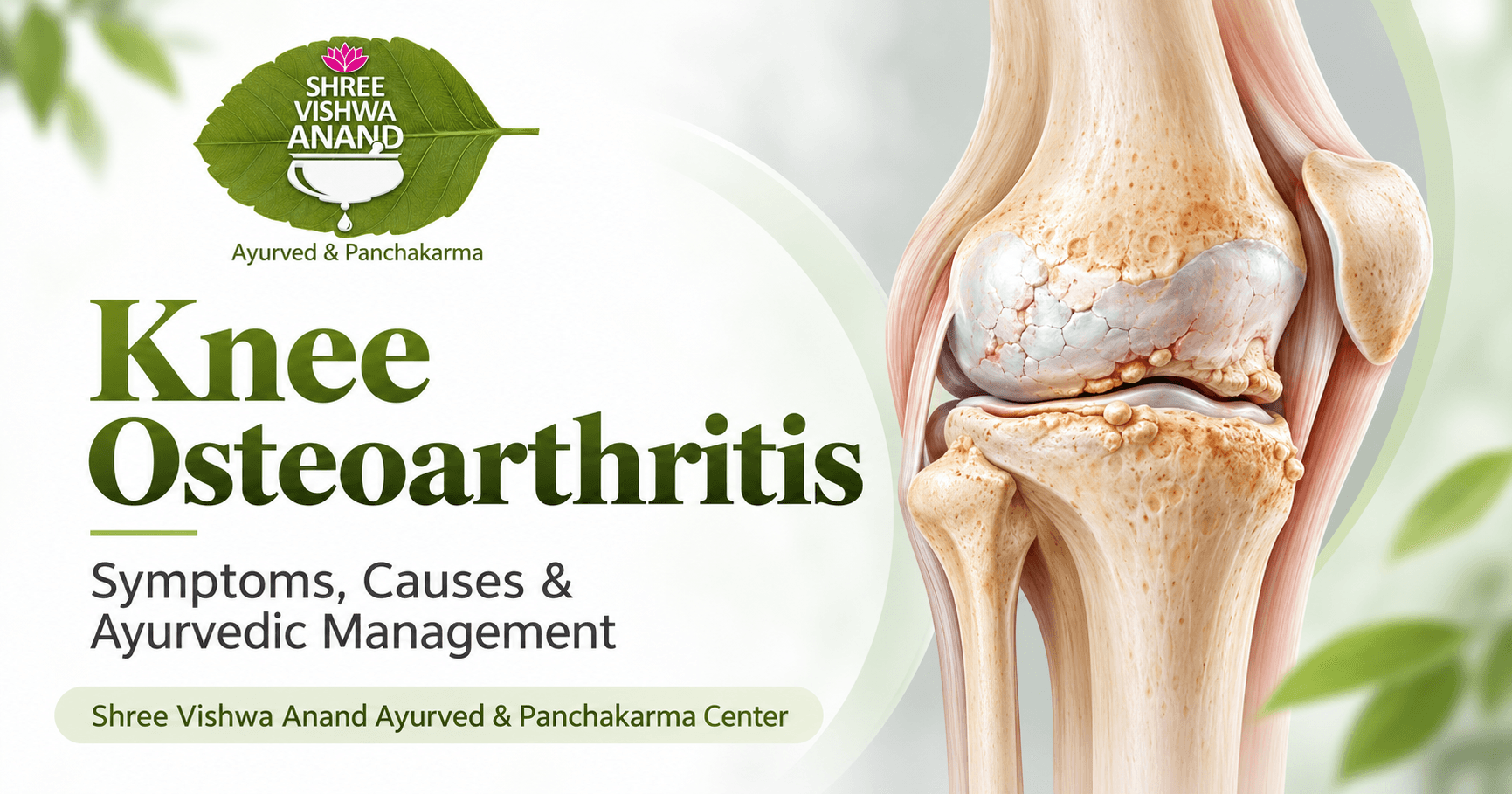
Knee osteoarthritis is a common joint condition that affects the cartilage, bone and other tissues of the knee joint.
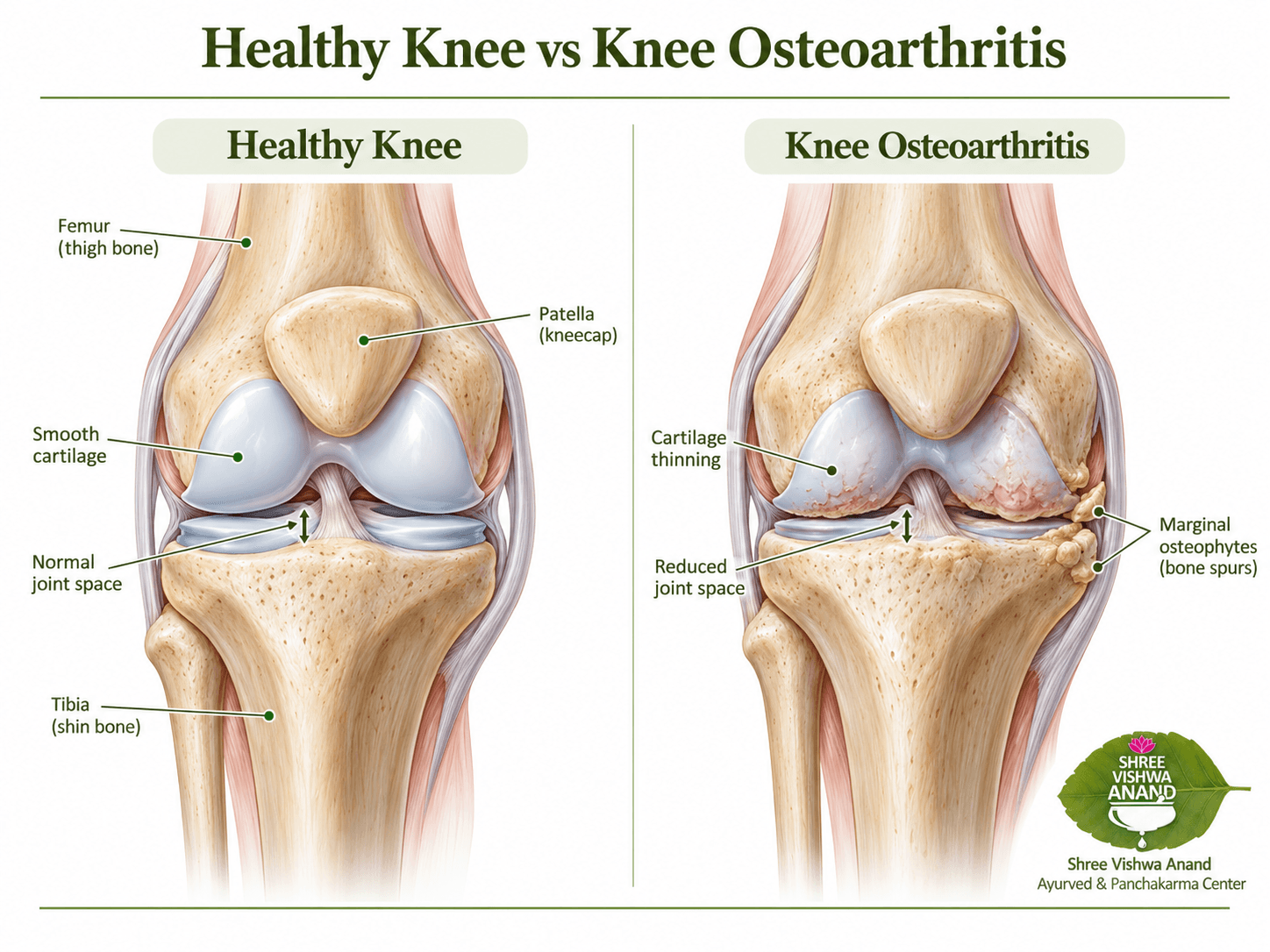
Healthy articular cartilage provides a smooth surface that helps the joint move comfortably. In osteoarthritis, cartilage and other joint structures undergo changes that may contribute to pain, stiffness, swelling and difficulty with movement.
Although osteoarthritis becomes more common with increasing age, it may also develop in people with previous knee injuries, excess body weight or other risk factors.
The severity of symptoms does not always correspond directly with changes visible on an X-ray.
Common Symptoms of Knee Osteoarthritis
Patients may experience:
- Pain while walking, climbing stairs or standing for long periods.
- Knee stiffness after rest or on waking.
- Difficulty bending or straightening the knee.
- Swelling or discomfort around the joint.
- Grinding or clicking sensations during movement.
- Reduced walking tolerance and difficulty with everyday activities.
Symptoms can vary from person to person. Not every knee pain complaint is caused by osteoarthritis.
What Causes Knee Osteoarthritis?
Knee osteoarthritis develops through a combination of factors.
Common contributors include increasing age, previous joint injury, excess body weight, genetic susceptibility, joint alignment and repeated mechanical loading.
It is not simply a consequence of ageing. Changes can affect the entire joint, including cartilage, underlying bone and surrounding tissues.
How Is Knee Osteoarthritis Diagnosed?
Diagnosis begins with a detailed history and physical examination.
The clinician assesses pain patterns, stiffness, walking ability, joint movement, swelling and the impact on daily activities.
An X-ray may be considered when necessary, especially when symptoms are unusual or another diagnosis is suspected. However, typical osteoarthritis can often be diagnosed clinically without routine imaging.
Severe or rapidly worsening pain, a hot swollen joint, fever, recent significant injury or inability to bear weight requires prompt medical assessment.
Knee Osteoarthritis in Ayurveda: Sandhigata Vata
In classical Ayurveda, knee joint pain and stiffness may be considered within the clinical framework of Sandhigata Vata, depending on the patient's symptoms and examination findings.
Sandhigata Vata is traditionally associated with the involvement of Vata Dosha in the joints.
Ayurvedic assessment considers factors such as pain, stiffness, swelling, mobility, digestive health (Agni), constitution (Prakriti), lifestyle and the overall clinical presentation.
Sandhigata Vata and modern knee osteoarthritis are not exact diagnostic equivalents. A patient requires individual assessment rather than treatment based only on the name of a condition.
Ayurvedic Management of Knee Osteoarthritis
Ayurvedic management is individualized. The choice of treatment depends on symptom severity, general health, clinical findings and suitability for specific procedures.
Depending on the assessment, an Ayurvedic physician may consider the following approaches.
Abhyangam and Local External Therapies
Abhyangam involves the application of oil through traditional massage techniques.
Local external therapies may also be considered in selected patients to support comfort and relaxation. The suitability of heat, massage and other procedures must be assessed, particularly when there is significant swelling, inflammation or an underlying medical condition.
Janu Basti
Janu Basti is a traditional Ayurvedic external procedure in which warmed medicated oil is retained over the knee region for a prescribed period.
It is used within Ayurvedic practice as part of individualized joint-care programmes. Evidence is insufficient to conclude that this procedure alone repairs cartilage or reverses osteoarthritis.
Basti Therapy
Basti is an important treatment modality in classical Ayurveda, particularly in the management of selected Vata-related disorders.
Whether Basti is appropriate depends on the patient's overall condition, treatment objectives and contraindications. It is not routinely required for every patient with knee osteoarthritis.
Ayurvedic Medicines and Diet
An Ayurvedic physician may consider individualized medicines and dietary guidance after evaluating the patient's health, current medications and medical history.
Patients should avoid self-prescribing herbal or mineral preparations. Product quality, potential adverse effects and interactions with existing medicines are important considerations.
Lifestyle Measures That Support Knee Joint Health
An effective knee osteoarthritis care plan should also address daily function.
Regular, appropriately selected exercise is important for maintaining joint movement and strengthening the muscles supporting the knee.
For people who are overweight, gradual weight management may help reduce pain and improve mobility.
Patients may also benefit from modifying activities that aggravate symptoms, choosing suitable low-impact physical activity, improving balance and following a consistent rehabilitation plan.
Complete avoidance of movement is generally not recommended.
What Results Can Patients Expect From Ayurvedic Management?
The goals of individualized management are to reduce pain and stiffness and support mobility, physical function and quality of life. Depending on clinical findings, an Ayurvedic plan may include appropriate procedures, external therapies, medicines, diet and lifestyle guidance.
A randomized study of a multimodal Ayurvedic treatment approach reported improvements in knee osteoarthritis symptoms, including pain and physical function. The study authors noted that further research is needed to confirm the size of benefit and clarify the role of individual treatment components. Evidence remains limited, and outcomes vary.
Treatment recommendations depend on individual assessment, symptoms, medical history, suitability and patient preferences. An Ayurvedic physician can discuss expected benefits, limitations and how care may fit alongside other recommended treatment.
When Should You Consult a Doctor?
Consult a qualified healthcare professional when knee pain persists, affects daily activities or is accompanied by increasing stiffness, swelling or walking difficulty.
Prompt medical attention is especially important for sudden severe pain, fever with joint swelling, an acutely hot joint, significant injury or inability to bear weight.
Early assessment can help identify the cause of symptoms and guide appropriate management.
Consult Shree Vishwa Anand Ayurved & Panchakarma Center
If you are experiencing persistent knee pain, stiffness or difficulty walking, a clinical consultation can help clarify possible causes and discuss suitable management options.
Dr. Amar Shinde, MD (Ayurveda)
Shree Vishwa Anand Ayurved & Panchakarma Center
Office 802, 8th Floor, Signature Business Park, Near Chembur Monorail, Chembur East, Mumbai — 400071.
Appointments: 8454065664 / 9987555235
Website: https://shreevishwanand.com
Medical information disclaimer: This article is intended for patient education and is not a substitute for individual diagnosis or treatment. Do not discontinue prescribed treatment without discussing it with your treating clinician.